
Yacht Safety – Dangerous Regions Yachters Should Avoid Quick Links
- Yacht Safety – Dangerous Regions Introduction
- What Makes A Region A “No-Go Zone”?
- Piracy Hotspots Yachters Should Avoid
- Conflict Zones Unsafe For Private Cruising
- Severe Weather Danger Zones
- Areas With Limited Rescue Or Medical Infrastructure
- Overcrowded Shipping Chokepoints
- Staying Safe: Tips For Luxury Catamaran Cruisers
- Yacht Safety – Smart Cruising Starts With Smart Routing
Yacht Safety – Dangerous Regions Introduction
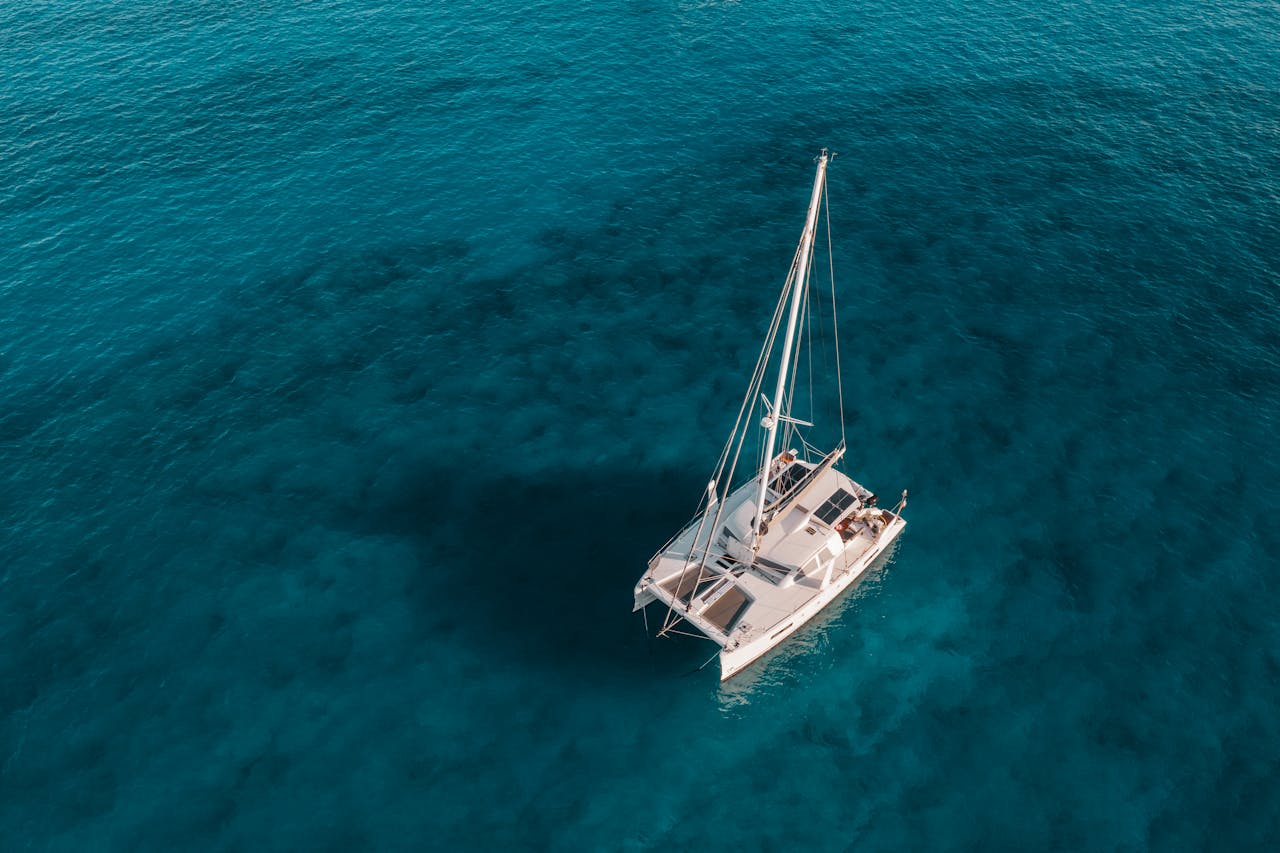
For most luxury catamaran owners, global cruising is the dream — exploring remote islands, unspoiled bays, and turquoise anchorages from the comfort of a well-built bluewater vessel. But not every stretch of ocean is safe for private yachts. Political instability, piracy, extreme weather, and limited rescue infrastructure can turn certain regions into high-risk no-go zones that even the most experienced sailors avoid.
At Knysna Yacht Company, our owners regularly embark on ambitious bluewater passages. With that comes the responsibility of staying informed about areas that pose risks to private vessels. This guide outlines some of the most dangerous regions to avoid, helping cruisers plan safer, more enjoyable voyages.
What Makes A Region A “No-Go Zone”?
Before diving into the global list, it helps to understand what turns an area of the ocean into a hazard for yachters.
Key factors include:
- Piracy and armed robbery at sea
- Geopolitical conflict or military activity
- Severe seasonal weather patterns
- High commercial shipping density
- Lack of reliable search and rescue services
- Isolation or lack of safe harbours
Modern catamarans like those built by Knysna Yacht Company are engineered for safety and offshore reliability — but even the best bluewater vessels must respect global risk zones.
Piracy Hotspots Yachters Should Avoid
2.1 Gulf of Aden & Southern Red Sea
This region remains one of the most notorious maritime danger zones. Piracy has decreased in recent years, but the threat persists, and private yachts are particularly vulnerable.
Issues include:
- Long-range pirate skiffs
- Heavy naval presence
- Restricted transit corridors
For these reasons, most circumnavigators choose alternative routes to avoid transiting this region altogether.
2.2 Somalia & The Horn of Africa
The waters off the Somali coast remain unsafe for private cruisers. No support infrastructure exists for yachting vessels, and incidents historically involved both commercial and pleasure craft.
Simply put:
This region is a firm no-go for leisure yachts and luxury catamarans.
2.3 Gulf of Guinea (West Africa)
The Gulf of Guinea has become a global hotspot for violent attacks and kidnapping incidents involving commercial vessels.
Risks include:
- Organised pirate groups
- Unpredictable attacks
- Limited maritime security presence
Cruisers on long passages down the Atlantic typically avoid this region entirely.
Conflict Zones Unsafe For Private Cruising
3.1 Eastern Mediterranean Conflict Areas
Certain parts of the Eastern Mediterranean are affected by ongoing conflict and naval activity. Restricted waters, military patrols, and safety advisories mean that private vessels should avoid these areas.
3.2 Black Sea Regions Under Military Tension
The Black Sea has seen significant naval conflict and restricted maritime zones in recent years. For private yachts, this region poses unpredictable risks and frequent notices to mariners.
Even well-equipped bluewater catamarans should not attempt to cruise these areas.
Severe Weather Danger Zones
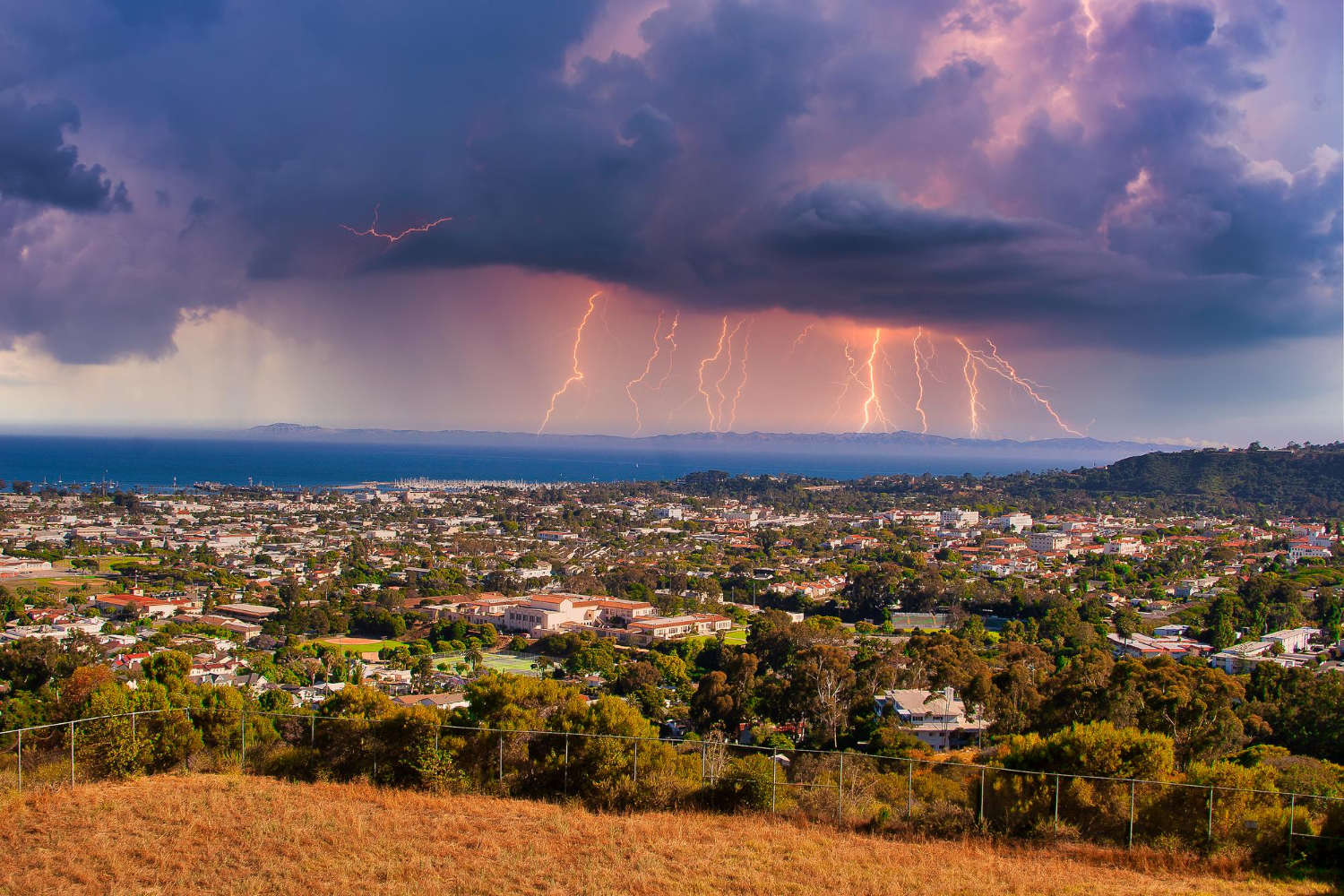
Not all danger zones are political — some are shaped by climate and seasonal weather patterns.
4.1 North Atlantic Hurricane Belt
From June to November, the Caribbean and Western Atlantic experience powerful hurricanes capable of devastating even the most robust yachts. Long passages during peak season are strongly discouraged.
4.2 Typhoon Regions of the Western Pacific
Sailing the Philippines, Taiwan, Japan, or parts of Southeast Asia during typhoon season is extremely dangerous due to:
- Long-lasting storm systems
- Poor predictability
- Long distances between safe harbours
High-end catamarans may be engineered for bluewater conditions, but typhoons are categorically unsafe for cruising vessels.
4.3 The Southern Ocean
The Southern Ocean is legendary for its extreme conditions:
- Massive, unpredictable swells
- Freezing temperatures
- Roaring Forties and Furious Fifties
This region is recommended only for expedition vessels, not leisure yachts — no matter how capable.
Areas With Limited Rescue Or Medical Infrastructure
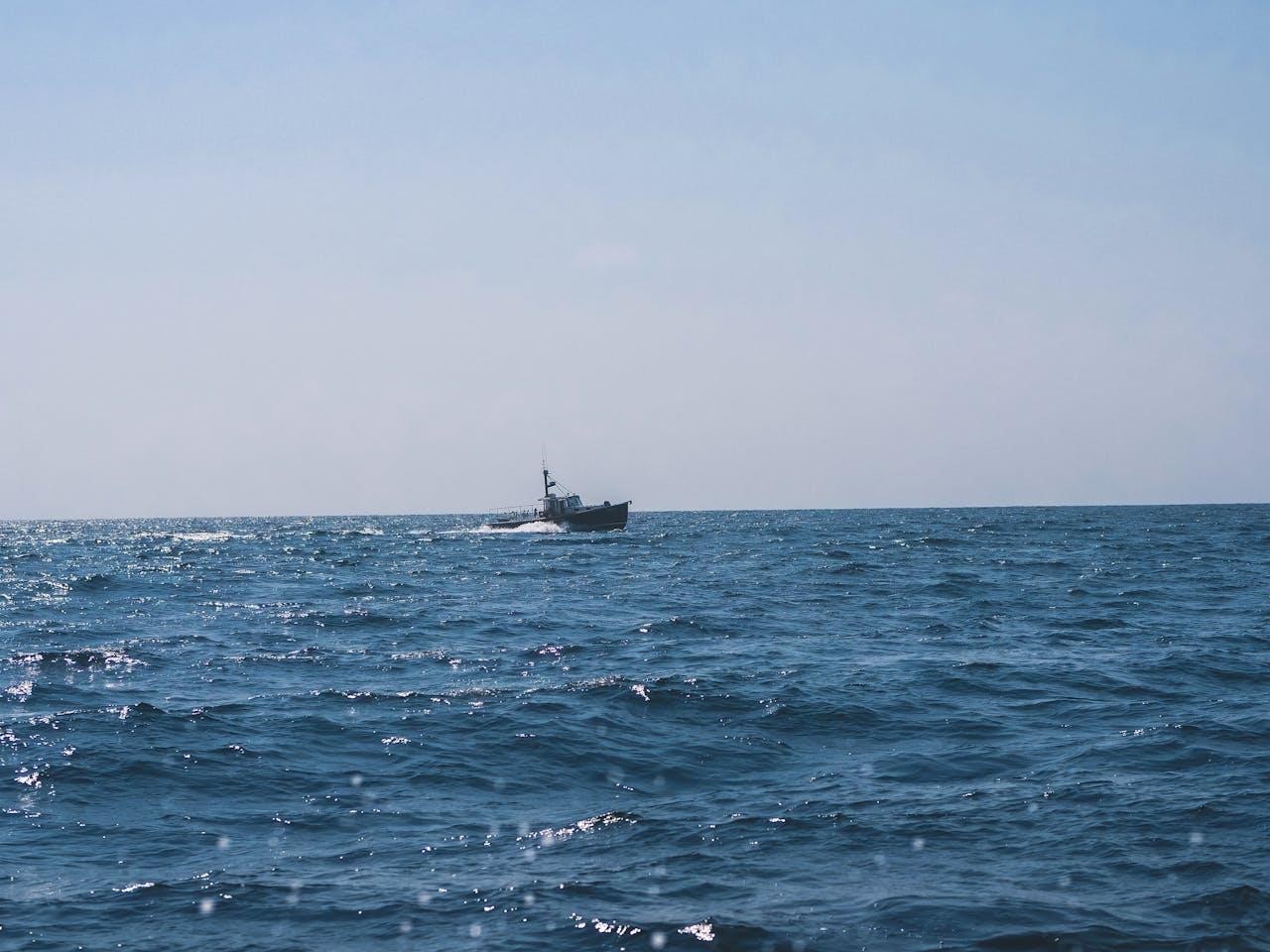
Some of the world’s most remote waters pose risks simply because help is too far away.
5.1 Remote Pacific Atolls
Many atolls in the central and eastern Pacific:
- Have no SAR (Search and Rescue) coverage
- They are isolated from medical facilities
- Offer no marine repair or provisioning
A breakdown or medical emergency here can be life-threatening.
5.2 Antarctica & Sub-Antarctic Islands
These destinations may be popular on social media, but accessibility for private yachts is extremely limited. Ice hazards, isolation, and zero support services make these regions dangerous for private catamarans.
Overcrowded Shipping Chokepoints
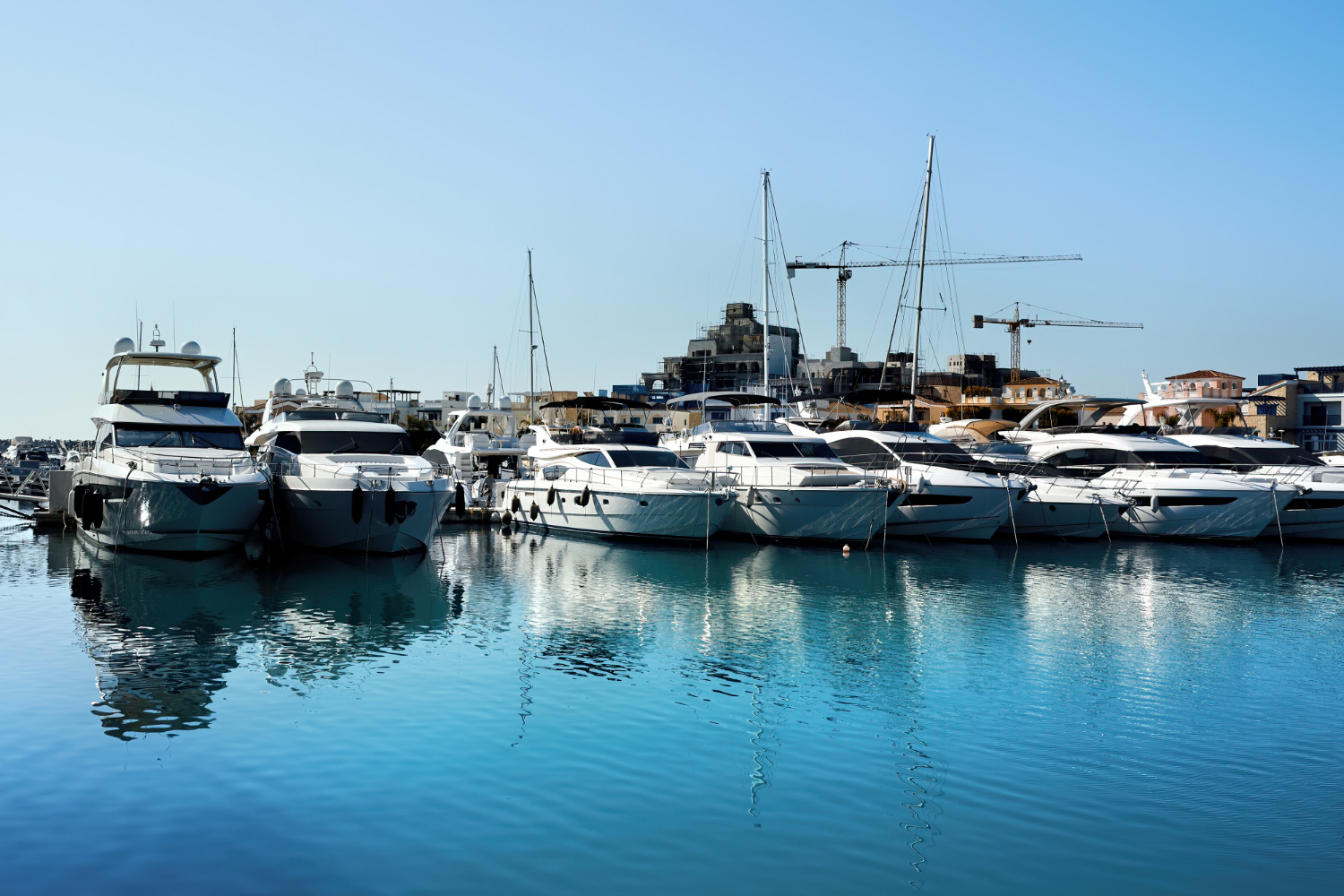
Even in stable, well-monitored waters, congestion alone can create hazards.
6.1 Strait of Malacca
One of the busiest shipping corridors in the world:
- Thousands of vessels daily
- Limited manoeuvring room
- Narrow passages
Night passages here can be particularly challenging for smaller yachts.
6.2 English Channel
The English Channel sees:
- Intense commercial traffic
- Fast tidal currents
- Frequent fog
Staying Safe: Tips For Luxury Catamaran Cruisers
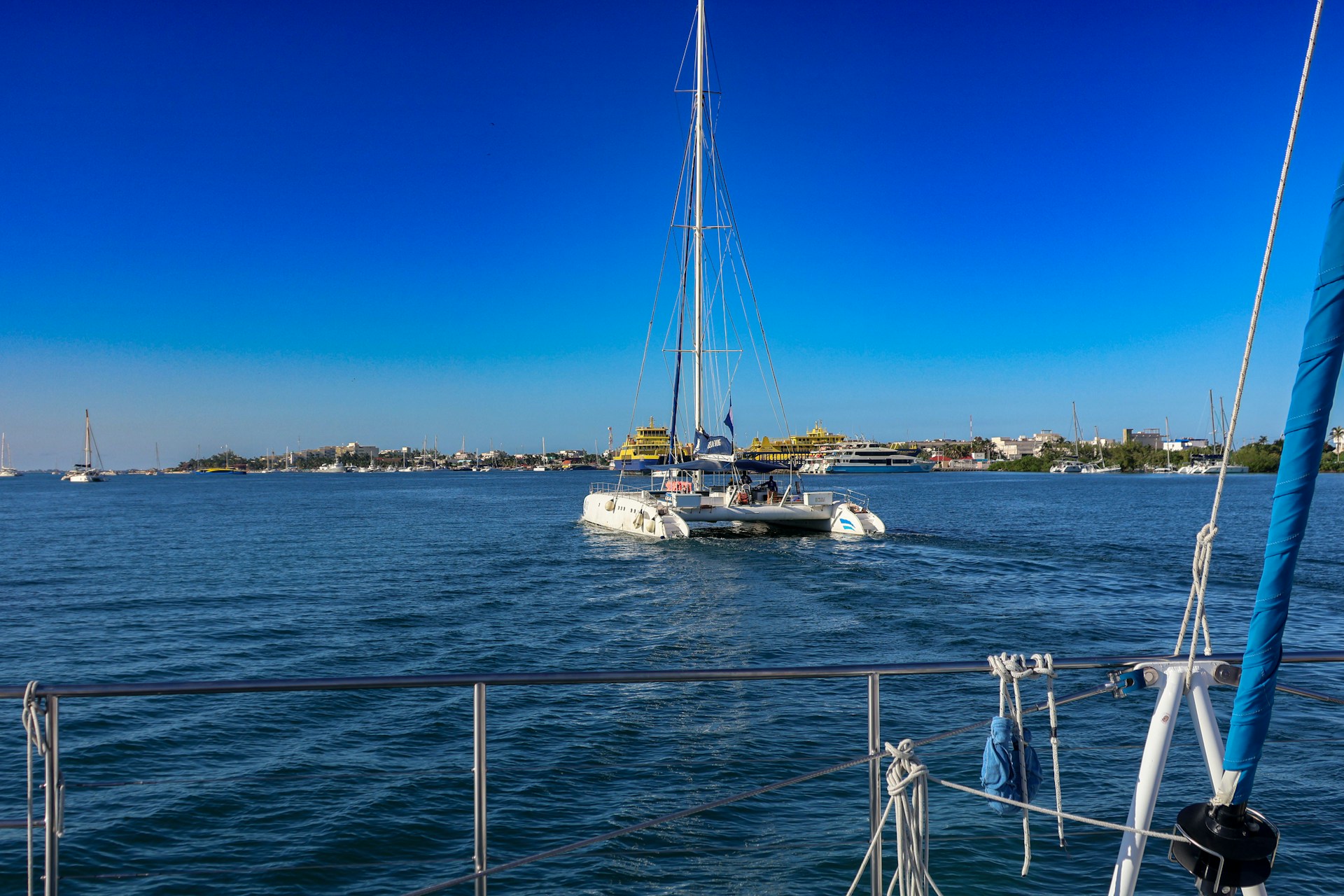
Whether you’re sailing a Knysna 550, Knysna 500SE, or your custom-built Knysna catamaran, the following best practices help ensure safe bluewater navigation:
- Use reputable route-planning software
- Follow global maritime advisories and Notice to Mariners
- Avoid transiting high-risk areas alone
- Monitor weather routing services daily
- Install AIS and ensure it’s always functional
- Stay connected with other cruisers through local nets and forums
- Consult experienced delivery skippers for complex passages
Safety is part preparation, part awareness — and part choosing a vessel engineered for the open ocean.
Yacht Safety – Smart Cruising Starts With Smart Routing
The world is filled with extraordinary destinations for luxury cruising — but it also contains complex, unpredictable, and sometimes dangerous regions that demand caution. By understanding global maritime no-go zones, yachters can plan safer, more enjoyable voyages while protecting their vessel, crew, and long-term cruising dreams.
At Knysna Yacht Company, we craft bluewater-ready catamarans built to take you anywhere — safely, comfortably, and confidently. Just make sure that “anywhere” doesn’t include these global danger zones.